
Start with Punjab: the context worth knowing first
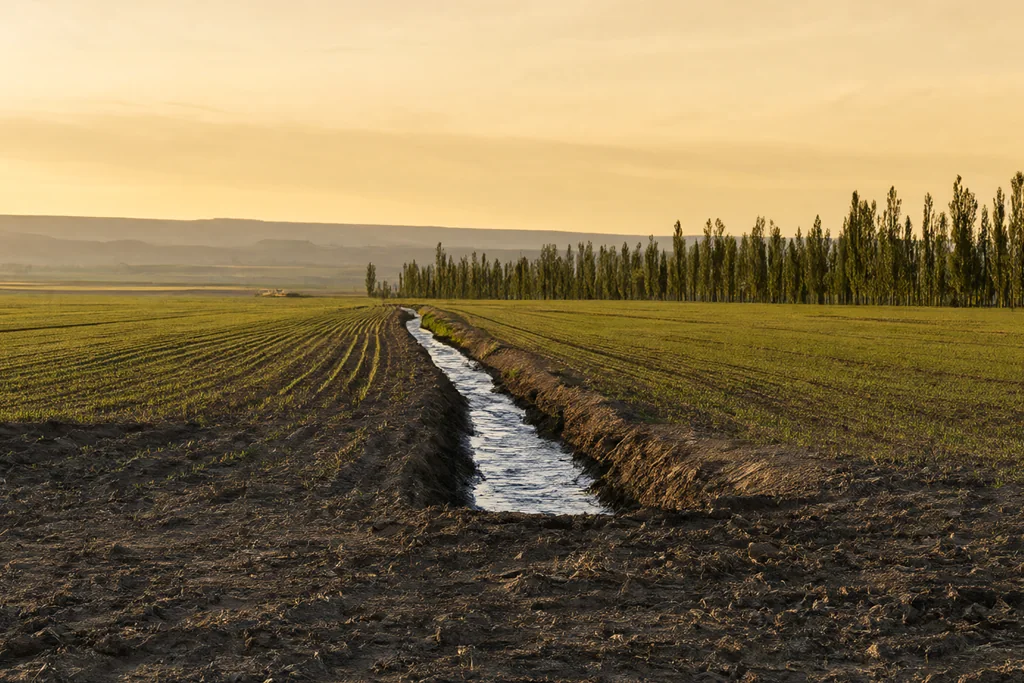
Punjab rewards a reader who knows a little context. The state is usually described through two or three headlines — farming, water, migration — and those headlines make more sense once you know how the state is organised, what the agricultural year actually looks like, and which institutions handle what. This is the starting point we recommend before reading anything else on the site.
Where Punjab sits
Punjab is a north-western Indian state bordered by Pakistan to the west, Jammu and Kashmir to the north, Himachal Pradesh to the north-east, and Haryana and Chandigarh to the south and east. The terrain is flat and river-fed, which is why agriculture dominates both the economy and the politics.
The state capital is Chandigarh, a union territory administered separately and shared with Haryana. That arrangement alone explains many administrative quirks a newcomer notices.
Why farming is the centre of gravity
Punjab's farming system is built around a wheat-rice rotation, supported by canal and tubewell irrigation. The consequences run through almost every other story: groundwater depletion, electricity subsidies, crop residue management and the timing of procurement.
- Rabi season — wheat, sown in winter and harvested in spring.
- Kharif season — rice, sown with the monsoon and harvested in autumn.
- Procurement — official purchase of grain at announced support prices, with its own calendar and rules.
The institutions that matter
| Body | What it does |
|---|---|
| State Assembly | Legislates on state subjects; 117 constituencies |
| District administration | Deputy Commissioner runs the district: land, law and order, schemes |
| Panchayats and municipal bodies | Local governance in villages and towns |
| State commissions | Electricity, water and pollution regulation |
Water, the recurring question
Groundwater levels, canal allocations and the condition of the canal network decide what can be grown. When you read about a crop decision, look for the irrigation source behind it: canal, tubewell or both. That single detail usually explains the difference between two apparently similar stories.
Cities and the rural-urban link
Ludhiana, Amritsar, Jalandhar, Patiala and Bathinda anchor the urban economy, each with a different industrial base. Migration to these cities, and outward migration from the state, shapes labour, education and housing stories that look unrelated until you connect them.
The agricultural calendar in practice
Two harvests set the rhythm of the year, but the decisions are taken months earlier. Wheat sowing depends on the arrival of cold weather and on the state of the canal roster; rice transplanting depends on monsoon timing and on nursery preparation. When procurement dates are announced, they set deadlines for harvest, transport and storage.
| Period | Field work | What it affects |
|---|---|---|
| October to November | Paddy harvest, wheat sowing begins | Residue management, air quality, canal demand |
| December to February | Wheat growth, cold storage of produce | Electricity load, transport, mandi arrivals |
| March to April | Wheat harvest and procurement | Storage space, payments, labour demand |
| June to September | Rice nursery and transplanting | Groundwater use, monsoon dependence |
Language, education and the public sphere
Punjabi is the state's official language and the language of most cultural production; Hindi and English dominate administration and higher education. This bilingual reality explains why school policy, exam results and university admissions are covered so closely: they decide access to jobs outside agriculture.
Education stories rarely stay about schools. They connect to migration, to the demand for English-medium instruction, and to the number of students preparing for competitive examinations in coaching hubs across the state.
Sport as social infrastructure
Hockey has a particular place in the region's identity, but the more common story is about access: how grounds are maintained, who coaches at the village level, and whether a young player can travel to competition. Sport coverage here is less about results than about the pipeline that produces them.
- Grassroots clubs and school tournaments supply most players.
- District facilities decide who can train through the year.
- Injury prevention matters more than any single technique, especially for young athletes.
How to check a Punjab story yourself
Most public claims can be traced in three places: the state gazette for notifications, the department website for schemes, and the Assembly record for what was said on the floor. If a figure appears without a year and a source, treat it as a claim to verify rather than a fact to repeat.
How to read our Punjab coverage
Our Punjab section covers farming, water, towns, schools and the local economy. Start with the farming year if you want the backbone; then read the canal irrigation piece for the water system that supports it.
For the city next door, Chandigarh explains how the planned grid works. For how decisions are actually taken, the politics section describes institutions and processes rather than personalities.
Read next
The farming year in Punjab, season by season
How the agricultural calendar is organised and why the rhythm of sowing and harvest shapes everything else.
Canal irrigation: how water reaches the fields
The path from a canal head to a farmer's field, and why distribution is a shared responsibility.
How smaller towns in Punjab are changing
What draws people to district towns and how services struggle to keep pace with growth.