
The farming year in Punjab, season by season
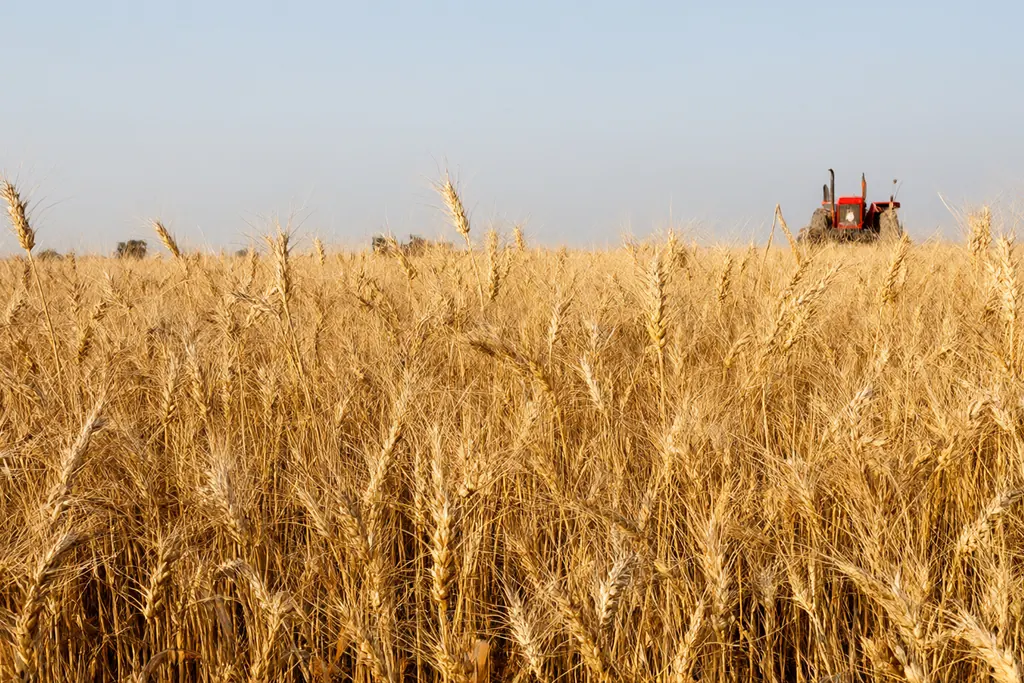
In Punjab the farming year is not one long season but a sequence of overlapping cycles, each with its own window of preparation, sowing, care and harvest. Understanding that sequence explains a great deal about daily life in the countryside: why certain weeks are unusually busy, why labour and machinery are in demand at particular moments, and why a delay in one part of the calendar can ripple through the rest of the year.
This explainer sets out the broad shape of the agricultural calendar in general terms. It does not describe any single year, and it deliberately avoids figures for acreage, output or prices, because those change constantly and depend on decisions taken farm by farm. What stays stable is the rhythm itself.
Two main seasons and the ground between them
The year is organised around two principal cropping seasons, commonly known as kharif and rabi, with a short transitional period in between. Kharif crops are sown around the arrival of the monsoon and harvested later in the year; rabi crops are sown in the cooler months and harvested in spring. Between them lies a narrow gap in which fields are cleared, prepared and, where the practice is followed, left fallow or used for a short-duration crop. That gap is as important as the seasons themselves, because it is when the soil is rested, residue is managed and the next cycle is planned.
The kharif cycle
The kharif cycle begins with land preparation and sowing once the rains set in, and continues through weeding, irrigation where rain is insufficient, and pest and disease checks. Because the monsoon is variable, growers watch the sky and the canal schedule side by side. The harvest arrives towards the end of the year, and it brings with it the busiest stretch of labour, transport and storage activity in many villages. After harvest, the same fields are prepared for the next season rather than being left idle for long.
The rabi cycle
The rabi cycle runs through the cooler months, when lower temperatures and gentler evaporation make irrigation more predictable. Sowing takes place early in the season, followed by a period of steady management: watering at set intervals, watching for disease and protecting the crop from frost and from unseasonal rain. Harvest falls in spring. For many households the rabi harvest is the point at which the year's accounts are settled, which is one reason the weeks around it feel so consequential.
Water, power and the shape of the day
Irrigation ties the calendar to the clock. Where water arrives on a rotation, growers organise their day around an allotted slot, often at night, and the reliability of electricity for pumping matters as much as the water itself. This is why a change in the canal schedule or in the supply of power is felt immediately in the fields, and why the farming year is also, in practice, a year of shared timetables and negotiated turns.
What the cycle means beyond the field
The rhythm reaches well past the farm gate. Mandis, transport operators, repair workshops, seed and fertiliser dealers, labourers and equipment owners all plan around the same windows, and so do schools, festivals and family events in villages where agriculture still sets the tempo. When people say that Punjab runs on its fields, this is part of what they mean: not only an economy, but a shared calendar that most of the state still feels, directly or indirectly.
What growers tend to watch through the year
- The arrival and distribution of rain, and how it compares with what the crop needs.
- The announced canal rotation and any change to it.
- The condition of the soil before sowing, rather than the date on the calendar alone.
- Early signs of pest or disease, so that a small problem does not become a costly one.
- Storage and transport arrangements, which are often booked well before harvest begins.
The agricultural calendar at a glance
| Stage | When it broadly falls | What it involves |
|---|---|---|
| Land preparation | Before each sowing window | Clearing residue, ploughing, levelling and planning the crop |
| Kharif sowing | As the monsoon establishes | Sowing after reliable rain, then early crop care |
| Kharif harvest | Later in the calendar year | Harvest, threshing, transport and storage |
| Rabi sowing | In the cooler months | Sowing under irrigation, then steady field management |
| Rabi harvest | Spring | Harvest, marketing and settling the year's accounts |
The point of knowing the calendar
Knowing the shape of the farming year is useful for anyone who wants to understand rural Punjab: why certain weeks are frantic and others quiet, why water and power are such sensitive subjects, and why a single unseasonal event can matter so much. The specifics change from year to year and from farm to farm, and the decisions themselves rest with the growers. What remains constant is the sequence, and the fact that almost everything else in the countryside is arranged around it.
Read next
Canal irrigation: how water reaches the fields
The path from a canal head to a farmer's field, and why distribution is a shared responsibility.
How smaller towns in Punjab are changing
What draws people to district towns and how services struggle to keep pace with growth.
Choosing a school or college: what to look at first
A practical checklist for families comparing institutions, beyond the brochure.