
Training basics for amateur athletes
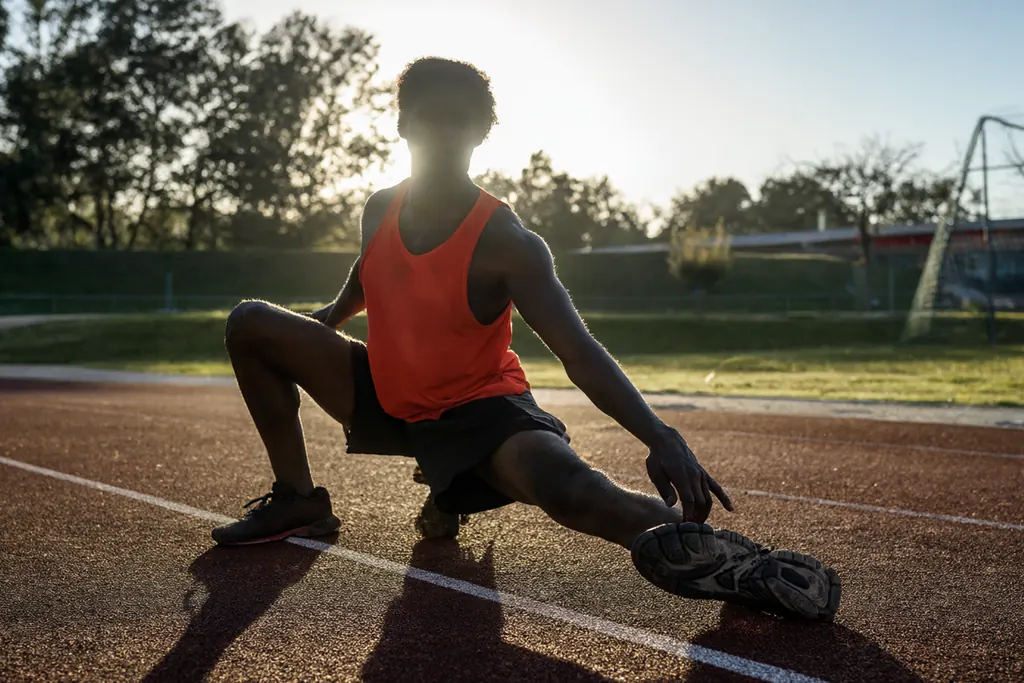
Amateur athletes often train hard and improve slowly, not from a lack of effort but from a lack of the ordinary habits that make training work. Good practice is unglamorous: warm up properly, train consistently, recover deliberately and increase the workload gradually. This explainer sets out those basics without shortcuts, because the shortcuts are usually where injuries and stagnation come from.
The guidance here is general and applies to most recreational sports. It is not medical advice, and anyone training with an existing condition, or planning a demanding programme, should take advice from a qualified professional rather than relying on general principles.
Warm up and cool down
A warm-up raises body temperature, increases blood flow to working muscles and prepares the joints and nervous system for effort. It should be progressive: gentle movement first, then sport-specific actions, then brief higher-intensity work. Cooling down brings the heart rate down gradually and helps the body return to a resting state. Both are frequently skipped when time is short, and both are among the cheapest ways to reduce the chance of injury.
Consistency beats intensity
The most reliable route to improvement is regular, moderate training sustained over months rather than occasional extreme sessions. The body adapts to repeated stimulus, and adaptation takes time; a single exhausting session delivers little and costs a good deal in fatigue and risk. A schedule that a person can actually keep, week in and week out, outperforms an ambitious plan abandoned after a fortnight.
Progressive overload and rest
To improve, training must be slightly harder than what the body is used to, but only slightly. Increase one variable at a time, whether volume, intensity or difficulty, and allow the adaptation to happen before increasing again. Rest is not the absence of training; it is the part of training during which the improvement is actually acquired. Athletes who never rest accumulate fatigue and eventually either plateau or break down.
Strength, mobility and technique
Beyond the sport itself, three things repay attention. Basic strength work protects joints and improves the ability to hold good positions. Mobility work keeps the range of movement that technique requires. Technique, taught properly and practised consistently, improves both performance and safety. None of these is exciting, and all of them are what distinguish athletes who last from those who stop after a season.
Listening to the body
The most useful skill in training is distinguishing ordinary effort from a warning. Normal fatigue resolves with rest; persistent pain, a sudden loss of performance, disturbed sleep or a general feeling of heaviness that lasts for days are signals to reduce load and, if they continue, to seek qualified advice. Treating those signals as weakness is the most common reason amateur athletes lose months rather than days.
The habits that matter most
- Warm up progressively before every session and cool down afterwards.
- Train regularly at a sustainable level rather than occasionally at an extreme one.
- Increase only one aspect of the workload at a time.
- Treat rest days as part of the programme, not as a failure of it.
- Distinguish normal fatigue from pain that persists or worsens.
What to change, and how often
| Variable | How to progress it | Warning sign |
|---|---|---|
| Volume | Add a little, then hold before adding again | Lingering tiredness that does not clear |
| Intensity | Raise it once the current level feels controlled | Breathlessness that stops technique |
| Difficulty | Introduce one new challenge at a time | Sharp pain during the new movement |
| Rest | Protect it deliberately in the weekly plan | Sleep and mood deteriorating |
| Technique | Practise it when fresh, not only when tired | Compensating in order to continue |
Slow is fast
Amateur training improves when it is treated as a long project rather than a series of attempts to prove something. Warm up, train consistently, increase gradually, rest deliberately and pay attention to what the body reports. None of this is dramatic, and all of it works. Anyone with a health condition or a demanding goal should combine these principles with advice from a qualified professional rather than treating general guidance as a personal plan.
Read next
Grassroots sport: how young talent is spotted
School games, local clubs and the pathways that lead upwards.
Hockey and its enduring place in Indian sport
Why a single game carries so much identity, and what keeps it alive.