
Grassroots sport: how young talent is spotted
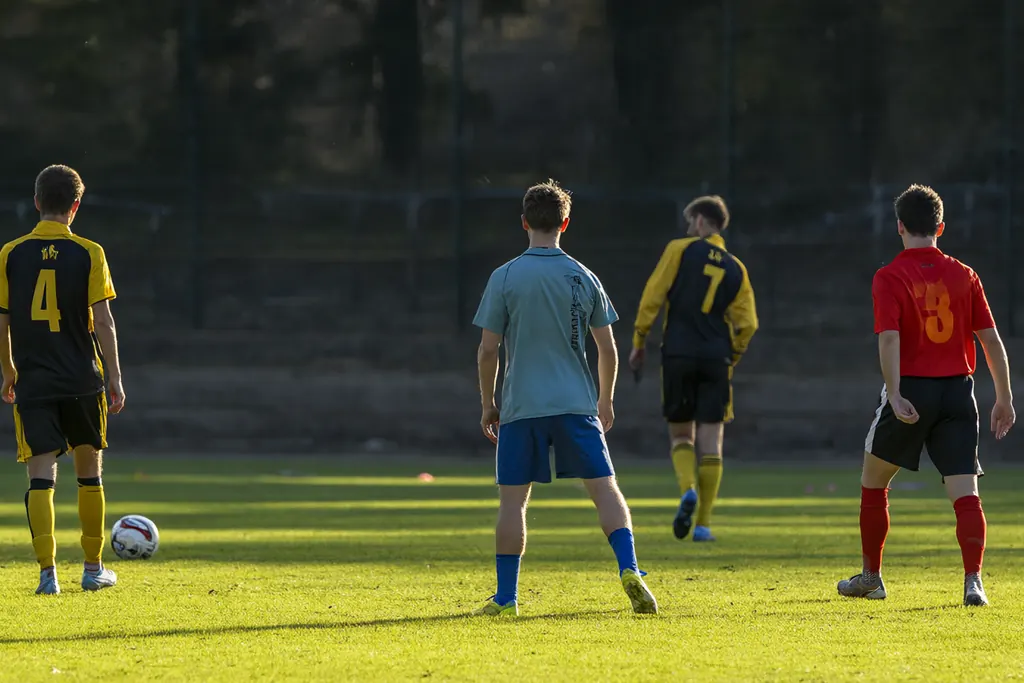
Every elite athlete starts somewhere ordinary: a school ground, a neighbourhood club, a district competition. The system that connects that first game to a professional career is what people mean by grassroots development, and it is worth understanding because it explains how talent is found, why some regions produce more players than others and what families and schools can realistically do to help.
This explainer describes how grassroots sport generally works. It avoids naming particular academies or citing selection figures, because those change constantly. The useful thing to grasp is the structure and the stages through which a young athlete usually passes.
The first stage is play
Long before any formal pathway exists, there is unstructured play. Children who play regularly, in whatever form, develop coordination, stamina and an instinct for the game that no amount of later coaching fully replaces. This is why the availability of safe open ground matters so much: it is the equivalent of a library for a reader. The first stage of talent development is therefore not selection at all but opportunity, and it happens years before anyone is watching.
School and club sport
The next stage is organised activity, usually through school teams and local clubs. Here a young player encounters a coach, a regular schedule and competition against others of similar age. Coaches at this level do the most important work in the whole system: they teach fundamentals, introduce discipline and, crucially, decide whether a child keeps playing. A good coach at this stage produces more future athletes than any high-level programme, because enthusiasm lost at twelve is rarely recovered later.
Competition as a filter, not a verdict
As players get older, competition becomes the mechanism by which they are sorted. District, state and national levels provide a route upwards, and selectors observe performance under pressure. It is important to be clear about what this does and does not mean: competitive filtering identifies who is ready now, which is not the same as who will be best later. Physical development varies enormously in the teenage years, and many strong adult athletes were unremarkable at fifteen.
What families can influence
Families have more influence than they often realise. Consistent access to training, adequate rest and food, transport to practice and, above all, an atmosphere in which losing is acceptable all shape whether a young athlete continues. Pressure applied early tends to shorten careers rather than lengthen them. The most valuable support a family can give is usually logistical and emotional rather than technical.
The gaps that matter
Where grassroots systems struggle, they tend to struggle in the same places: a shortage of qualified coaches, insufficient playing facilities, the cost of equipment and travel, and the absence of competition for girls and for players outside the main centres. Each of these reduces the pool from which talent can emerge, and the effect compounds over time. Improving any one of them broadens the base, which is why grassroots investment is usually described as a long-term project rather than a quick win.
Stages on the pathway
- Free play, which builds coordination and a feel for the game.
- School and club sport, where a coach and a schedule appear.
- Age-group competition, which introduces selection.
- District and state levels, where performance is observed.
- Structured pathways that lead towards senior sport.
Who does what in grassroots sport
| Actor | Main contribution | What happens without it |
|---|---|---|
| Family | Access, transport and emotional support | Talent leaves the sport early |
| School | Teams, schedules and a first coach | Children never try organised sport |
| Local club | Regular training and competition | No bridge between school and higher levels |
| Coach | Fundamentals, discipline and encouragement | Players plateau or stop |
| Governing bodies | Competitions and facilities | No route from local to national |
The pool is the point
Grassroots sport works by widening the base so that more players reach the point where real ability can be identified. That means facilities, coaches, affordable equipment and, above all, ordinary access to play. Individual families can influence how a single young athlete progresses, but the size of the pool is a matter of public provision, and it is the pool, not any single exceptional player, that determines how strong a sport becomes over a generation.
Read next
Hockey and its enduring place in Indian sport
Why a single game carries so much identity, and what keeps it alive.
Training basics for amateur athletes
Warm-up, consistency and recovery, explained without shortcuts.