
Staying injury-free in amateur sport
Most injuries in amateur sport are not accidents. They accumulate: a workload that rises too quickly, a weakness that was never addressed, footwear that has quietly worn out, a warning that was ignored for two weeks. Understanding the usual causes makes a good deal of injury preventable, and prevention is far cheaper than recovery in both time and enthusiasm.
This explainer describes general principles of injury prevention for recreational athletes. It is not medical advice. Persistent or severe pain needs assessment by a qualified professional, and returning to sport after an injury is best planned with proper guidance.
Load is the usual culprit
The single most common cause of overuse injury is a sudden increase in load, whether that means more sessions, longer sessions, greater intensity or a harder surface. Tissue adapts to training, but it adapts slowly, and the gap between what a person feels able to do and what their tendons, muscles and bones can tolerate is where injury lives. The practical rule is to change one thing at a time and to let the body settle at each new level before moving on.
Strength protects joints
Much injury prevention amounts to making the structures around a joint more resilient. Basic strength work for the legs, hips, trunk and shoulders improves the ability to absorb force and hold good positions under fatigue. It does not require elaborate equipment or long sessions; consistency matters far more than sophistication, and a small amount done regularly is worth more than an occasional exhausting effort.
Footwear and surfaces
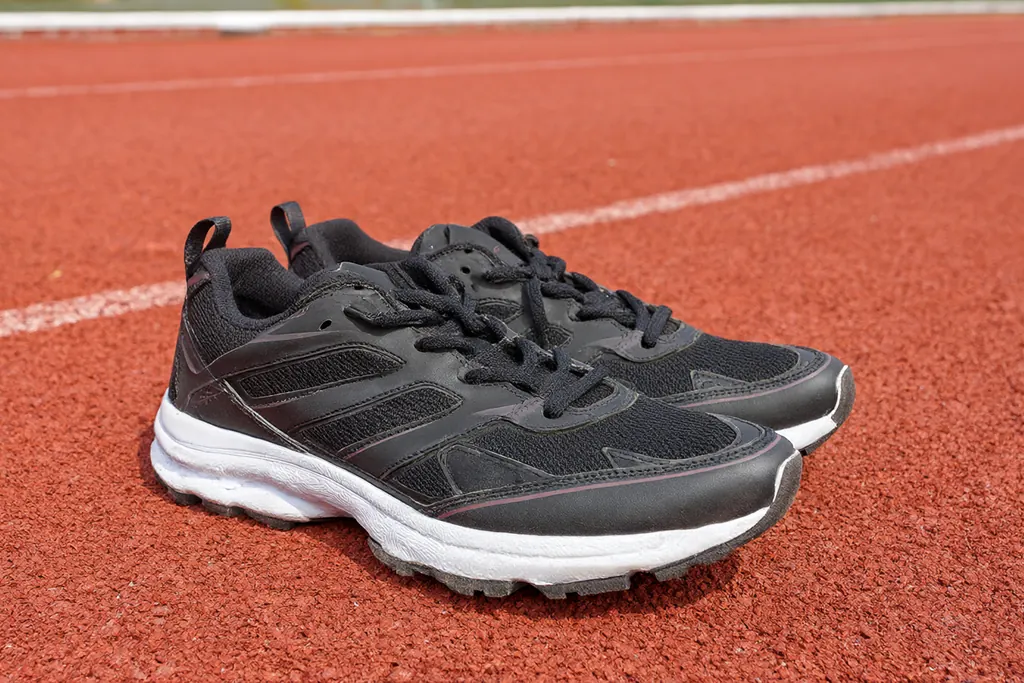
Shoes wear out gradually, which is why the change is easy to miss. Cushioning compresses, tread wears smooth and support declines, and the athlete adapts without noticing until something hurts. Paying attention to the condition of footwear, and to whether training is largely on hard surfaces, is undramatic and effective. Similarly, varying the surface and the direction of movement reduces the repetition that leads to overuse.
Technique and fatigue
Many injuries occur late in a session, when fatigue erodes technique. This is why practising skills when fresh is important, and why stopping before form collapses is a sensible habit rather than a sign of weakness. A useful test is simple: if technique is visibly deteriorating, the productive part of the session is over and continuing adds mostly risk.
The warning signs
Pain that appears during activity and persists afterwards, a joint that feels unstable or locks, swelling that does not settle, or a performance drop that lasts beyond a few days all deserve attention rather than rest and hope. Early assessment usually means a shorter interruption. The most damaging approach is to train through a persistent problem until it forces a long absence, which is what happens when a manageable issue is ignored for weeks.
Practical prevention habits
- Increase training load gradually, changing only one variable at a time.
- Include regular basic strength work for the main joints.
- Replace shoes before the cushioning and support have clearly gone.
- Stop the session when technique starts to fail from fatigue.
- Take persistent pain seriously and seek qualified assessment early.
Common causes and sensible responses
| Cause | How it shows up | Sensible response |
|---|---|---|
| Sudden load increase | Soreness and pain after a step up in training | Reduce volume and rebuild gradually |
| Muscular weakness | Instability and compensation under fatigue | Regular strength work for the area |
| Worn footwear | Gradual aches in feet, shins or knees | Replace shoes and check the surface |
| Poor technique when tired | Injury late in sessions | Stop before form collapses |
| Ignored warning signs | Pain that persists over days or weeks | Get a qualified assessment early |
Prevention is the cheaper option
Injury prevention is mostly a matter of patience: building load slowly, keeping the body strong enough for the sport, replacing worn equipment and treating early signals as information rather than inconvenience. None of these measures is dramatic, and together they prevent a large share of the problems that keep amateur athletes out of action. Where pain persists or a joint feels unstable, qualified assessment is the right next step rather than another week of training.
Read next
Grassroots sport: how young talent is spotted
School games, local clubs and the pathways that lead upwards.
Hockey and its enduring place in Indian sport
Why a single game carries so much identity, and what keeps it alive.
Training basics for amateur athletes
Warm-up, consistency and recovery, explained without shortcuts.