
Modern architecture and the city's heritage
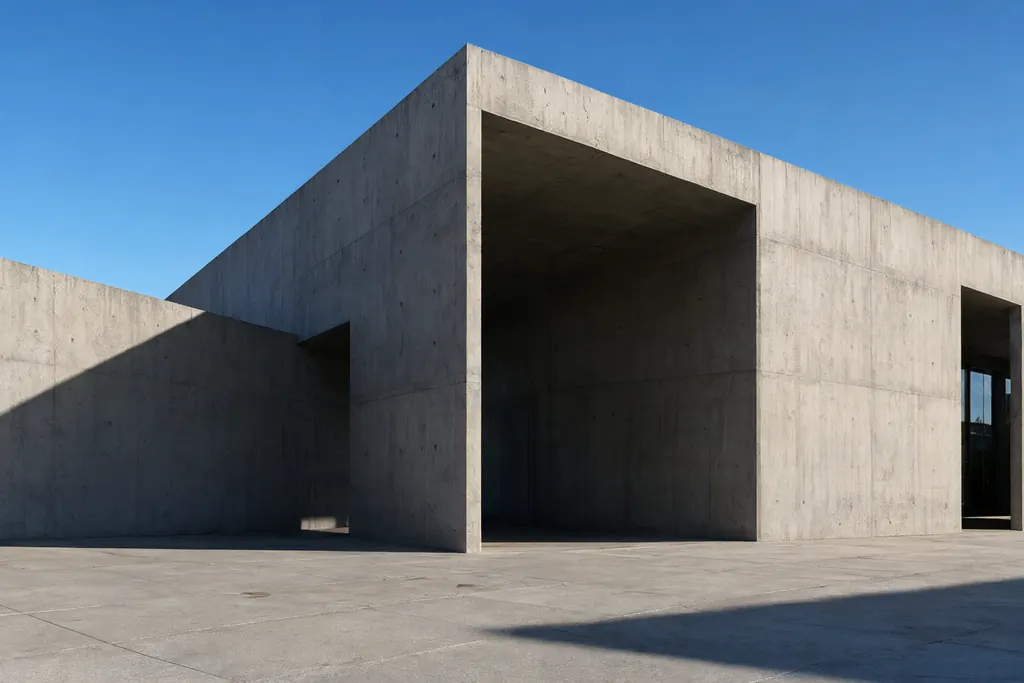
The buildings of Chandigarh belong to a specific moment in the history of architecture, when designers believed that a new city could be planned from first principles and built in a modern idiom. The result is a place where concrete, brick, open ground and large civic gestures are combined in a way that is instantly recognisable. This explainer looks at what makes that architecture distinctive and how a modern heritage is looked after.
The discussion is general and avoids detailed attributions, dates and measurements, which are best checked against specialist sources. The aim is to explain the character of the architecture and the practical questions that follow from it.
Building a new city, not extending an old one
Most cities carry their history in layers, with every era visible in the buildings that survive. Chandigarh had no such accumulation to build on: it was conceived as a new capital and could therefore be designed as a whole. That freedom produced an architecture of deliberate simplicity, in which the shape of the city, the shape of a building and the space around it are part of one continuous argument rather than a series of separate decisions.
Materials and how they age
The buildings here rely heavily on exposed concrete and brickwork, materials that show the marks of their making. Exposed surfaces do not hide anything: the line of the formwork, the joint between two elements and the effect of weather are all visible. This makes the architecture honest but also demanding. Concrete requires maintenance to prevent water damage and staining, and brick requires attention to pointing and to the growth of vegetation. Neglect shows sooner on an honest surface than on a decorated one.
Open space as part of the design
In much modern architecture the space between buildings carries as much meaning as the buildings themselves. Wide approaches, framed views and large areas of open ground are used to give civic buildings a sense of presence and to make the city legible from a distance. The consequence for maintenance is that the setting must be protected as carefully as the structure, because a building designed for a generous approach loses much of its intention if the ground in front of it is filled in.
Why it counts as heritage
Heritage is not only old. A body of work can be significant because of its influence, its coherence or the clarity with which it expresses an idea, and the architecture of Chandigarh qualifies on all three counts. Recognising it as heritage means accepting that some buildings have a value beyond their immediate use, and that decisions about repair, extension and adaptation should account for that. It also means that demolition is not simply a matter of cost.
The practical work of protection
Protecting modern heritage involves unglamorous tasks: documenting what exists, agreeing what may be altered, choosing repairs that match the original materials, and training people to carry them out. It also involves public awareness, because buildings survive best when the people who use them understand why they matter. Where these steps are taken, a modern city can keep its character while still changing; where they are skipped, distinctive architecture is quietly replaced by the generic.
What gives this architecture its character
- Exposed concrete and brick that reveal how a building was made.
- Simple, geometric forms rather than applied ornament.
- Carefully framed views and generous open approaches.
- Public buildings designed to be legible from a distance.
- A coherent relationship between buildings and the space around them.
Heritage questions and why they matter
| Question | What is at stake | Where to be careful |
|---|---|---|
| What should be preserved | The coherence of a designed city | Not every addition deserves protection |
| How repairs are made | Whether the original character survives | Matching materials and methods |
| What may be altered | The balance between use and authenticity | Extensions that overwhelm the original |
| Who decides | Consistency across many separate choices | Clear, published criteria |
| Who understands why | Public support for protection | Awareness, not only regulation |
A heritage still in use
Chandigarh's architecture is unusual in that it is not a monument set aside from daily life: it is the city, still occupied, still adapted and still argued over. That makes its protection harder and more interesting. The task is not to freeze the place but to keep its distinctive character intact while it continues to serve the people who live in it, which requires documentation, agreed rules, skilled repair and public understanding, in roughly that order.
Read next
Why Chandigarh looks the way it does
The idea behind a planned city and how a single master plan still shapes daily life.
How the sector system works
Numbering, addresses and orientation: reading Chandigarh's layout without a map.
Green space: the city's quiet infrastructure
Leisure valleys, gardens and tree-lined avenues, and why they matter more than decoration.