
Seasonal health habits that actually help
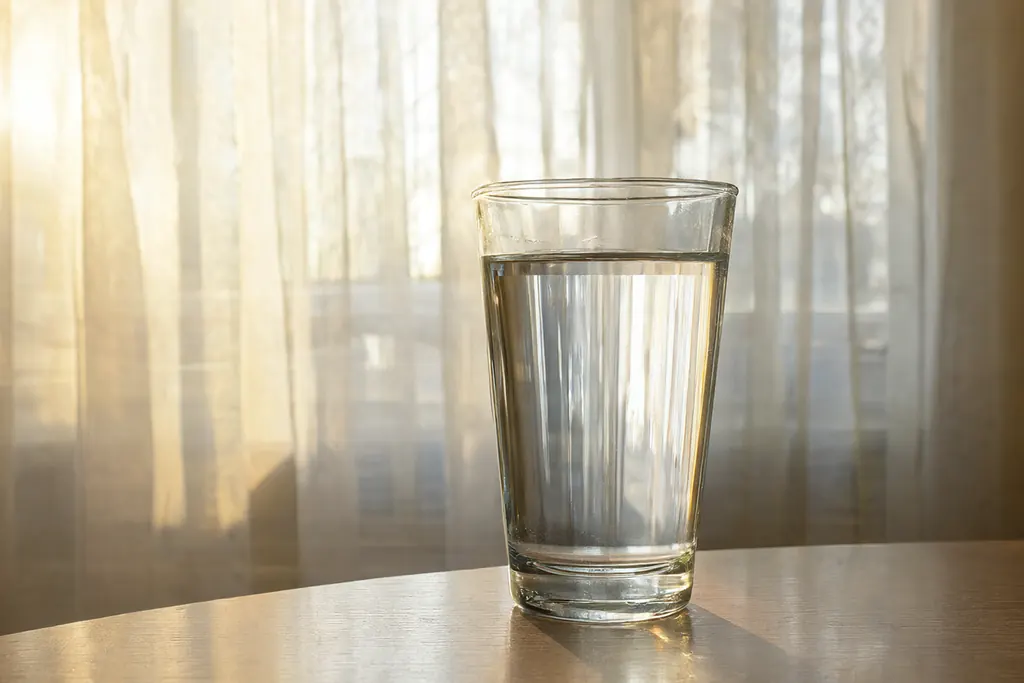
As the seasons change, so do the ordinary demands on the body: heat and dehydration in one part of the year, cold and dry air in another, dust and pollen at the transitions. Much of what helps is unremarkable and widely agreed: sleep enough, drink water, eat regularly, keep washing your hands and stay active. This explainer sets out those basics and is honest about the limits of general advice.
What follows is general information, not medical advice, and it deliberately avoids dosages, remedies and claims about prevention of specific illnesses. Anyone with a health condition, or with symptoms that worry them, should speak to a qualified professional rather than rely on general reading.
Heat and hydration
In hot weather the body loses water and salts through sweating, and thirst is an imperfect guide, particularly for older people and for anyone working outdoors. Drinking water regularly through the day, rather than in large amounts all at once, is the usual approach. Avoiding the hottest hours for strenuous work, wearing loose light clothing and using shade are all straightforward measures that reduce strain. Where someone becomes confused, stops sweating or feels faint in the heat, that is a medical situation and requires prompt help rather than self-treatment.
Cold, dry air and the airway
Cooler months bring dry air and more time indoors, and both affect the nose and throat. Keeping reasonably hydrated and ventilating rooms where people gather are simple measures that make a difference to comfort. Layers of clothing allow for changing temperatures between outdoors and indoors, which is often a greater strain than the cold itself. Anyone with a chronic respiratory condition should follow the plan agreed with their clinician rather than general guidance.
Dust, pollen and air quality
At the change of season, airborne particles rise and many people notice irritation of the eyes, nose and throat. Practical measures include keeping windows closed when outdoor air is poor, changing clothes after time outdoors during dusty periods and using a mask where dust is heavy. Symptoms that persist beyond the season, or that interfere with breathing, deserve assessment rather than acceptance.
Sleep, food and movement
The foundations of seasonal resilience are the same all year. Regular sleep supports immune function and mood; regular meals provide steady energy; and routine physical activity supports both. None of these requires an elaborate programme. What matters most is consistency across weeks rather than intensity in a single week, and this is especially true at the change of seasons, when routines tend to slip.
Food and water safety
Warmer weather increases the risk associated with food that is not stored or handled carefully, which is why illnesses of this kind are more common in the hot months. Simple precautions help: keep perishable food cool, reheat thoroughly, wash hands before eating and preparing food, and be cautious about uncovered food and untreated water when travelling. These are ordinary habits rather than special measures, and they address a large share of the risk.
Everyday measures for changing weather
- Drink water steadily through the day, especially in the heat.
- Adjust clothing in layers as temperatures change.
- Keep rooms ventilated when people gather indoors.
- Stay regular with sleep, meals and routine activity.
- Handle and store food carefully, particularly in warmer months.
Seasonal pressures and sensible responses
| Seasonal factor | What it affects | Sensible everyday response |
|---|---|---|
| Heat | Fluid balance and stamina | Regular water, shade and lighter clothing |
| Cold, dry air | Nose, throat and comfort | Ventilation, layers and staying hydrated |
| Dust and pollen | Eyes, nose and breathing | Closed windows and masks where dust is heavy |
| Warmer weather | Food safety | Cool storage, thorough reheating and hand washing |
| Routine changes | Sleep and activity patterns | Keep sleep and meal times regular |
Ordinary habits, honest limits
Seasonal health is mostly about the unremarkable: water, sleep, food safety, ventilation and sensible clothing. These habits are widely recommended because they address ordinary strain rather than because they prevent everything. General guidance of this kind cannot account for an individual's condition, and anyone with persistent symptoms, a chronic illness or concerns of any kind should seek advice from a qualified professional rather than treat this material as a personal plan.
Read next
How to read a medicine label
What each part of the packaging tells you and when to ask a pharmacist.
Everyday routines that support mental well-being
Sleep, movement, connection and when to seek professional support.