
How to read a medicine label
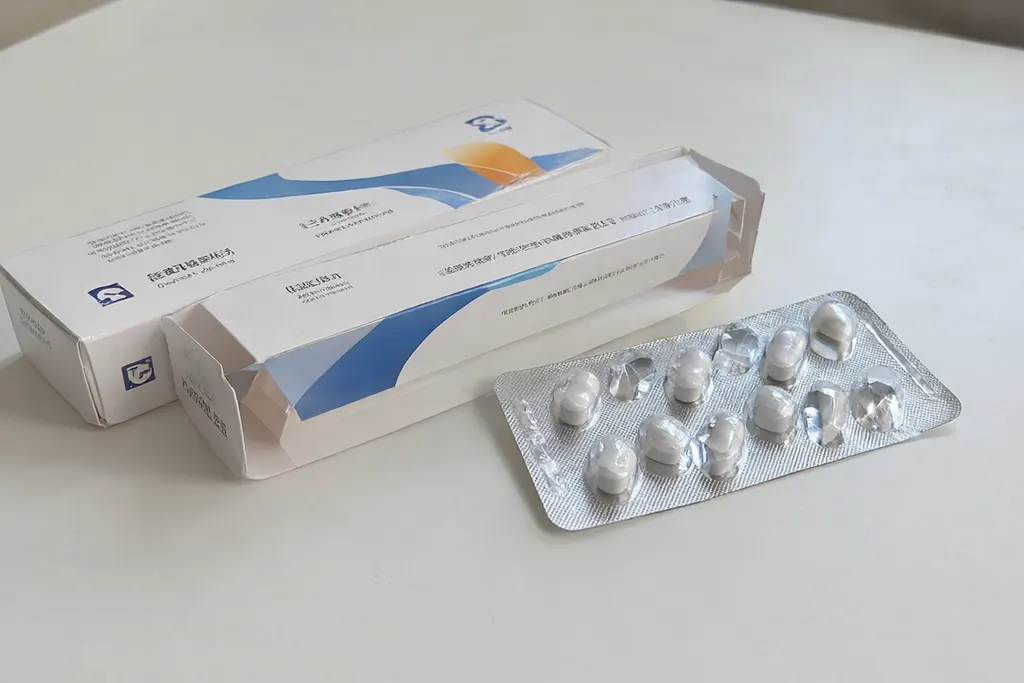
The information printed on medicine packaging is dense, and most people read whatever part they first see. A more useful approach is to know what each section is for, so that the label becomes a short set of answers rather than a wall of small print. This explainer describes the parts of a label and what each is telling you, and it explains when to stop reading and ask a pharmacist instead.
This is general information about reading packaging. It is not medical advice, it does not describe any particular medicine, and it should never be used to decide how or whether to take a treatment. Those decisions belong with a qualified professional.
Name and strength
The first thing to establish is the name of the medicine and its strength. Many products contain the same active substance under different brand names, which is why the generic name matters as much as the brand. Two packs with different names may be the same medicine, and two packs with the same brand may differ in strength. Checking both parts prevents the most common confusion of all, which is taking the same substance twice without realising it.
What the medicine is for
Packaging usually states the conditions or symptoms the medicine is intended for. Reading this is worth the effort, because a medicine bought for one problem may be unsuitable for another. If a symptom does not match what the label describes, that is a reason to ask rather than to assume. It is also worth checking whether the product is intended for a particular age group, since many medicines are not suitable for children below a stated age.
Directions and the measuring device
How much, how often and for how long are stated in the directions, and the instructions assume a specific measuring method. Liquid medicines should be measured with the device supplied rather than with a household spoon, because spoons vary considerably. Where a maximum daily amount is given, it should be treated as a limit rather than a target. If the directions are unclear, the correct response is to ask a pharmacist before taking the first dose rather than after.
Warnings and interactions
The warnings section exists to identify situations where a medicine may not be appropriate: other conditions, other medicines, pregnancy or breastfeeding, or activities such as driving. This is the part most often skipped and the part most likely to matter. If any warning applies, the question is not whether to ignore it but whom to ask. The same applies to any medicine already being taken, including products bought without a prescription.
Storage, expiry and disposal
Storage conditions protect the medicine's stability, and they are not arbitrary: some products must be kept cool, some dry and some away from light. An expiry date marks the end of the period for which stability is assured, and it is not a suggestion. Leftover medicines should be disposed of as directed rather than kept for later, and they should always be kept out of reach of children. Safe storage is part of using a medicine correctly.
What to check on any pack, in order
- The active substance as well as the brand name.
- The strength, so it is not confused with a different version.
- What the medicine is intended for and for whom.
- The directions, and the device used to measure a dose.
- The warnings, the expiry date and the storage requirements.
Sections of a label and what they tell you
| Section | What it contains | Why it matters |
|---|---|---|
| Name | Brand and active substance | Prevents accidental duplication |
| Strength | The amount of active substance | Distinguishes similar packs |
| Indication | What the product is for | Confirms it suits the problem |
| Directions | Amount, frequency and duration | Dose depends on following it exactly |
| Warnings and storage | Who should avoid it and how to keep it | Safety, stability and expiry |
Read, then ask
A medicine label is a set of instructions written for a general reader, and it rewards being read section by section rather than skimmed. Name, strength, purpose, directions and warnings together form a complete picture, and anything unclear or unexpected is a reason to ask a pharmacist or a clinician before taking the medicine. Nothing in this explainer should be used to decide treatment, and no general article can replace advice about your own health.
Read next
Seasonal health habits that actually help
Simple routines for changing weather, without exaggerated claims.
Everyday routines that support mental well-being
Sleep, movement, connection and when to seek professional support.