
How a state assembly works
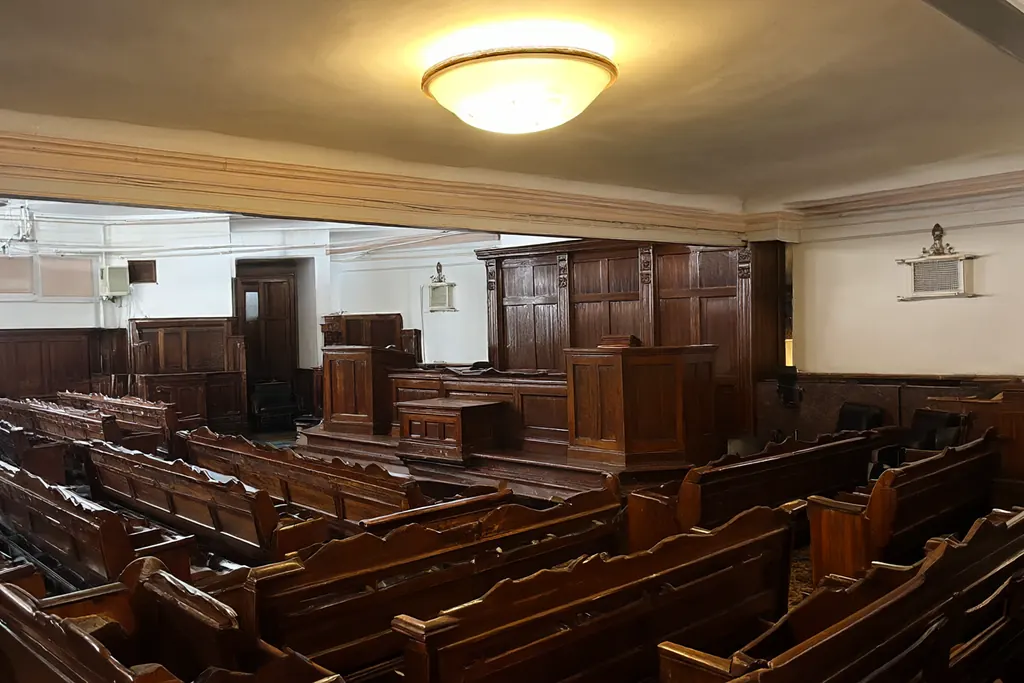
Political news tends to arrive as a series of moments: a speech, a protest, a vote. Behind those moments sits a working institution with its own procedures, and understanding those procedures makes political reporting far easier to follow. A state assembly, for example, does much of its real work in ways that rarely make a headline, and the order in which things happen often explains why an outcome was possible at all.
This explainer describes how a state legislature typically operates in general terms. It does not describe any particular session or claim, and it avoids the specifics of standing orders, which are detailed and change over time. The aim is to give a reader the shape of the process.
Sessions and sittings
A legislature does not meet continuously. Its work is organised into sessions, and each session into sittings, with a published order of business for every day. Governments decide when to convene, within the limits set by the rules, and the length of a session shapes what can realistically be achieved inside it. This is why the calendar itself can be politically significant: a short session limits the time available for debate, while the last days of a long one often carry a heavy load of pending business.
How a proposal becomes law
Most legislation follows a recognisable path. A proposal is introduced, generally by a minister, and is read and debated in principle. It is then examined in detail, often by a committee, where clauses are considered one by one and amendments can be moved. The revised proposal returns to the house for further debate and a vote, and only then does it acquire the force of law. Each of these stages exists to slow the process down, and that slowness is deliberate: it is the opportunity for scrutiny.
Questions, debates and the daily argument
A large share of a legislature's time is not spent on legislation at all but on holding the executive to account. Members ask questions of ministers, move motions, raise matters of public importance and speak in debates on policy. Much of this activity is procedural rather than dramatic, and some of it never becomes news, but it is where a government's decisions are examined most consistently. Question time in particular is designed to force answers onto the record.
Committees: where detail is examined
Committees do the work that a full house cannot do efficiently. Small groups of members study proposals, call for evidence, question officials and produce reports with recommendations. Their findings are usually less visible than a floor debate but often more substantive, because a committee can spend hours on a subject that the house would treat in minutes. Committees also provide a route by which scrutiny continues between sessions.
Opposition, majority and the arithmetic
The outcome of most votes is decided before the debate begins, because the governing side usually holds the numbers. The value of a debate therefore lies less in changing the result than in putting arguments, evidence and objections on the record, where they can influence public opinion, administration and later policy. This is why the opposition's role is often described as procedural rather than decisive: its instruments are questions, motions and publicity, and they work over time rather than in a single vote.
The main instruments of a legislature
- Legislation, debated and amended in stages before becoming law.
- Questions to ministers, which oblige an answer on the record.
- Motions and debates on matters of public importance.
- Committees that examine detail and publish findings.
- Budget scrutiny, which opens the government's finances to review.
From proposal to law
| Stage | What happens | Why it matters |
|---|---|---|
| Introduction | A proposal is placed before the house | Starts the formal record |
| Principle debate | Members argue the general idea | The proposal can be rejected or referred |
| Committee stage | Clauses are examined in detail | Amendments and evidence shape the final text |
| Further debate and vote | The revised proposal returns | The decision is taken on the record |
| Assent and publication | The text becomes law | Only now does it bind anyone |
Why the procedure is the story
Following a legislature is easier once its instruments are clear, because most political news is a description of one of them being used. The stages of a bill, the questions asked of ministers, the work of committees and the arithmetic of a vote all shape what is possible. Paying attention to the process, and not only to the outcome, is usually the quickest way to understand why a decision came out the way it did.
Read next
How to read a political manifesto
Promises, priorities and the things documents leave unsaid.
Local government: who does what
Municipal bodies, panchayats and the services each tier actually controls.